

Afternoon exhaustion can feel frustrating — especially when you’re doing everything you can to manage your blood sugar.
You wake up with good intentions. You monitor. You plan meals. You try to sleep well.
And yet by 1 or 2 p.m., your energy crashes.
Your eyes feel heavy. Your focus fades. You wonder:
“Should I nap? Or will that just make tonight worse?”
If you live with diabetes, this isn’t just ordinary tiredness.
Blood sugar variability, nighttime glucose shifts, stress hormones, and circadian rhythm disruption all interact in ways most people don’t realize. If you’re new to how diabetes and sleep influence each other, you can explore our full guide here.
Needing rest doesn’t mean you’re doing something wrong.
It doesn’t mean you lack discipline.
And it certainly doesn’t mean you’re “bad at sleep.”
It simply means your body is asking for support.
And before deciding whether naps are helpful or harmful, it helps to understand why fatigue shows up so often in people living with diabetes in the first place.
Why People With Diabetes Often Feel So Tired

Why People With Diabetes Often Feel So Tired
Fatigue with diabetes isn’t random.
It usually has a reason — and often, several reasons layered together.
Blood Sugar Highs and Lows Both Drain Energy
When blood glucose rises too high, your body works harder to rebalance. Cells struggle to use glucose efficiently, and you can feel foggy, heavy, or sluggish.
When blood sugar drops too low, your brain senses danger. Stress hormones like adrenaline and cortisol rise quickly to bring levels back up. According to the American Diabetes Association, both hyperglycemia (high blood sugar) and hypoglycemia (low blood sugar) can affect concentration, alertness, and overall energy levels — even before symptoms feel severe.
Either way, your system is working harder than it appears on the surface.
Post-Meal Spikes Can Trigger the Afternoon Crash

Many people notice their strongest urge to nap after lunch.
This isn’t always about eating too much — it’s often about glucose response. A sharper rise followed by a quicker drop can leave you feeling suddenly depleted.
The National Institute of Diabetes and Digestive and Kidney Diseases explains that managing post-meal glucose levels is an important part of preventing energy swings throughout the day.
Even small swings can create noticeable shifts in alertness.
Nighttime Glucose Variability Disrupts Deep Sleep
You might technically be “asleep” for seven hours — but if blood sugar rises or falls overnight, your body may partially wake to compensate.
These micro-arousals aren’t always remembered.
But they reduce time spent in deeper, restorative sleep stages.
You wake up thinking you slept… yet you don’t feel restored.
Over time, this builds sleep debt — which shows up as afternoon fatigue.
If you’d like a deeper explanation of how blood sugar swings throughout the night can impact the quality and depth of your sleep — and in turn contribute to daytime fatigue — check out this detailed guide on how blood sugar swings affect sleep.
The Mental Load Is Real
Managing diabetes isn’t passive.
It involves decisions, monitoring, awareness, adjustments, and often quiet background worry.
That cognitive effort activates stress pathways. And chronic low-grade stress drains energy just as much as physical exertion.
Sometimes the urge to nap isn’t just physical fatigue.
It’s nervous system fatigue.
So… Are Naps Good or Bad for People With Diabetes?
The honest answer?
Naps aren’t inherently good or bad.
They’re a tool.
And like most tools, the impact depends on how — and when — they’re used.
For some people with diabetes, a short, well-timed nap can reduce stress, improve focus, and make the rest of the day feel manageable.
For others, long or late naps can make it harder to fall asleep at night — which then worsens fatigue the next day.
The goal isn’t to avoid naps at all costs.
The goal is to use them intentionally.
When Naps Can Actually Help
A brief nap — especially earlier in the afternoon — can:
- Improve alertness and mental clarity
- Lower perceived stress
- Reduce irritability and decision fatigue
- Support nervous system regulation
When stress hormones stay elevated, blood sugar can become more unpredictable. Rest, even in short doses, helps calm that stress response.
In that way, a short nap may indirectly support more stable glucose patterns — simply by giving your system space to reset.
The key word here is short.
We’re talking about a gentle recharge — not a second night of sleep.
When Naps Can Backfire
Naps become disruptive when they:
- Last longer than 30–45 minutes
- Happen late in the afternoon or evening
- Replace addressing ongoing nighttime sleep problems
Long naps can push your internal clock later. That delay can reduce natural sleep pressure at bedtime, making it harder to fall asleep — especially if you’re already sensitive to nighttime wake-ups.
And if you’re regularly relying on naps because nights are unstable, that’s usually a sign the root cause needs attention.
Naps shouldn’t compensate for chronic sleep disruption.
They should support recovery — not replace it.
Related Posts:
- Why People With Diabetes Often Wake Up Between 2-4 a.m
- Best Bedtime Snacks for Diabetes to Support Stable Blood Sugar
The Diabetes-Friendly Nap Formula: How to Rest Without Hurting Sleep

If you’re going to nap, let it be intentional.
- Not accidental.
- Not three hours on the couch.
- Not a desperate crash at 5 p.m.
A well-structured nap should feel like a reset — not something you recover from.
Here’s a simple framework to follow:
1️⃣ Keep It Short (10–25 Minutes)
This is the sweet spot.
A nap under 30 minutes allows your brain to rest without dropping into deeper sleep stages. That means you’re less likely to wake up groggy or disoriented.
Short naps improve alertness without stealing too much sleep pressure from the night ahead.
If you often wake feeling worse after naps, length is usually the reason.
Set an alarm — even if you think you won’t fall fully asleep.
2️⃣ Nap Before 2:00 p.m.
Your body has a natural dip in alertness in the early afternoon. This is part of your circadian rhythm — not a sign something is wrong.
Napping during this window works with your biology.
After 3 p.m., naps are more likely to interfere with your natural evening melatonin rise, making it harder to fall asleep later.
Earlier is gentler on your internal clock.
3️⃣ Stabilize Blood Sugar First
If you’re feeling extremely fatigued, pause and ask:
Is this sleepiness — or a glucose shift?
If you’re prone to lows, check your levels before lying down.
If you’ve just had a sharp drop, treat and stabilize first.
Falling asleep during an untreated low isn’t restorative — it’s stressful for your body.
A steady baseline makes for a safer, more refreshing nap.
4️⃣ Keep It Light — Not a Full Bedtime Setup
You don’t need blackout curtains and full sleep rituals.
A dim room, comfortable position, and reduced stimulation are enough.
Think of it as “rest with permission” — not full nighttime sleep.
This helps your brain distinguish between a brief recharge and the main sleep period later.
5️⃣ Don’t Nap Every Day Automatically
If you occasionally nap after a poor night, that’s reasonable.
But if naps become daily and longer over time, it may signal:
- Nighttime sleep needs adjustment
- Blood sugar patterns need reviewing
- Or stress load is too high
Naps are support — not a long-term substitute for stable nights.
When done thoughtfully, naps can be restorative rather than disruptive.
But how do you know if yours are helping — or quietly making nights harder?
Let’s look at the signs.
Signs Your Naps May Be Hurting Your Nighttime Sleep
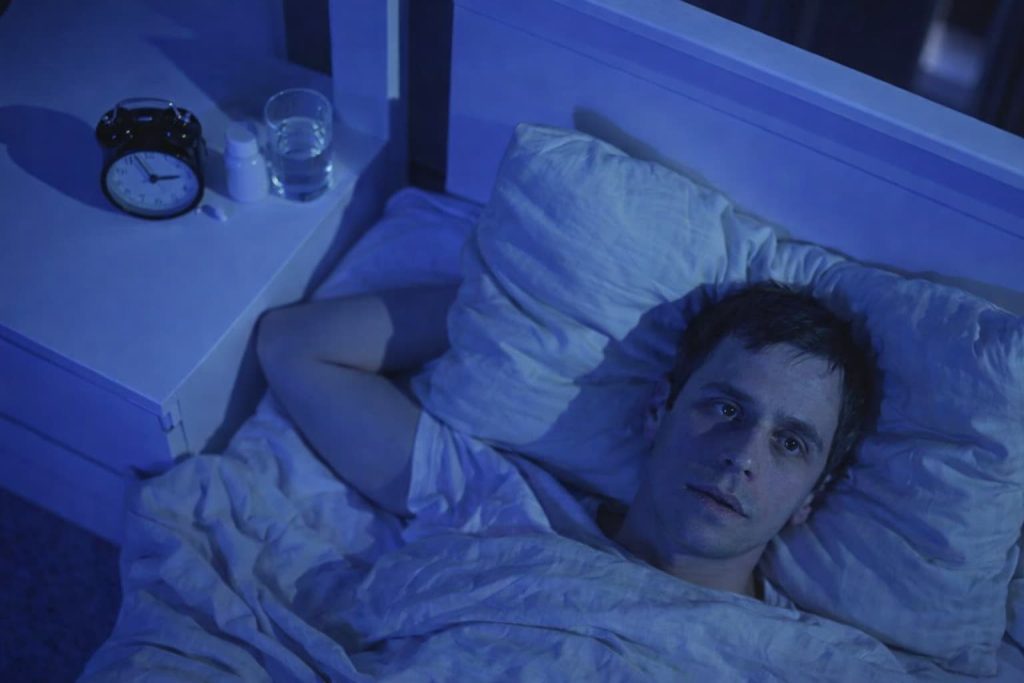
Naps aren’t a problem by default.
But sometimes, without realizing it, they can start to chip away at your ability to fall asleep or stay asleep at night.
Here are a few gentle signals to pay attention to:
You’re Not Sleepy at Bedtime
If you get into bed and feel mentally alert — not physically tired — your nap may have reduced your natural sleep pressure.
Sleep pressure builds throughout the day.
Long or late naps can partially “release” that pressure too early.
If bedtime starts feeling like waiting for sleep instead of drifting into it, your nap timing or length may need adjusting.
You Lie Awake for More Than 30 Minutes
Occasional restlessness is normal.
But if falling asleep regularly takes longer after days you nap — and nights without naps are smoother — that pattern is worth noticing.
Sleep is deeply rhythm-based. Small daytime changes can ripple into nighttime.
You Wake Up Groggy and Disoriented After Napping
If you wake from naps feeling heavy, foggy, or almost worse than before, you likely drifted into deeper sleep stages.
That grogginess (called sleep inertia) can linger — and sometimes disrupt your overall rhythm.
Shorter naps typically prevent this.
Your Naps Are Gradually Getting Longer
If a 20-minute rest slowly becomes 45 minutes… then an hour… then two — that’s your body compensating.
It may signal:
- Ongoing nighttime sleep disruption
- Blood sugar instability overnight
- Chronic stress load
In this case, the nap isn’t the problem. It’s a clue.
When Naps Become a Daily Necessity
If you need long naps most days, or you feel exhausted even after a full night in bed, it may be time to look beyond the nap itself.
Ongoing fatigue can be linked to:
- Nighttime blood sugar fluctuations
- Sleep that feels long but isn’t deeply restorative
- Stress that keeps your nervous system activated
- Accumulated sleep debt
A nap can temporarily reduce tiredness.
But consistent daytime exhaustion usually signals that something at night — or in your glucose patterns — needs attention.
Instead of removing naps completely, focus on improving nighttime stability and overall sleep quality.
Final Thoughts
Naps are not automatically harmful for people with diabetes.
When they are short and taken earlier in the day, they can improve alertness without disrupting nighttime sleep.
Problems usually arise when naps are long, late, or used to compensate for ongoing sleep or glucose instability.
If you choose to nap:
- Keep it under 30 minutes
- Nap before mid-afternoon
- Make sure your blood sugar is stable first
Used thoughtfully, naps can support your day without interfering with your night.