

If your sleep feels restless or easily broken, blood sugar changes during the night may be playing a role. For people with diabetes, nighttime is often when blood sugar is most unpredictable — and even small shifts can quietly interfere with deep, restorative sleep.
Understanding why these swings happen is an important first step. With a few simple adjustments, it’s often possible to reduce nighttime spikes and drops and support more settled sleep.
For a broader look at how diabetes and sleep interact — including practical ways to sleep better with diabetes — see our comprehensive guide on how to sleep better with diabetes.
What Blood Sugar “Swings” Mean During the Night
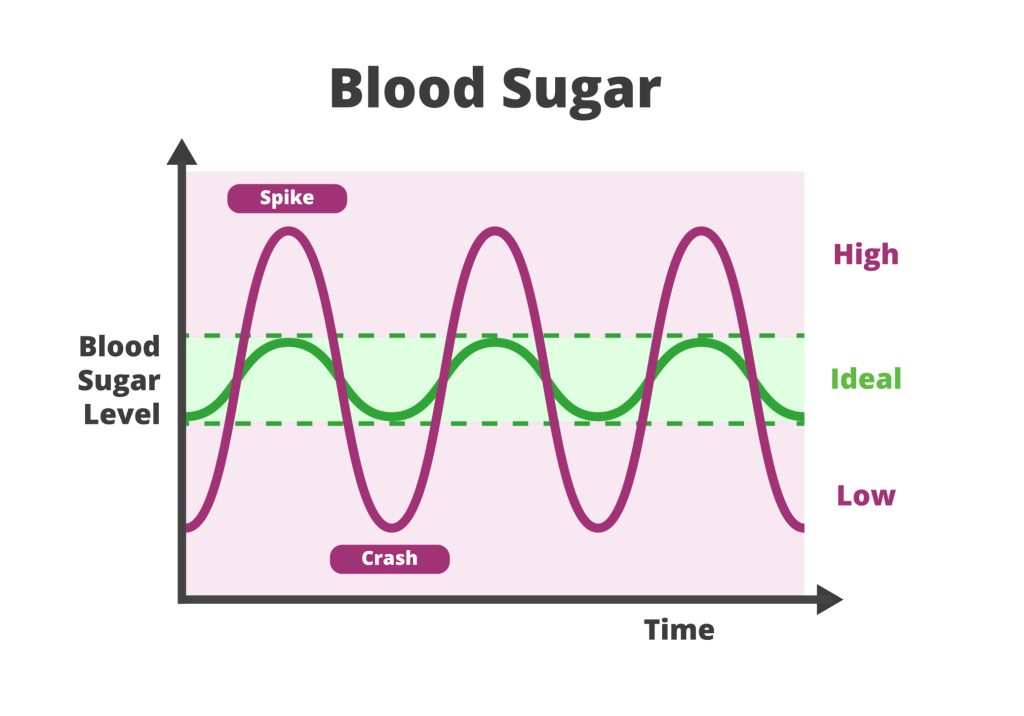
Blood sugar swings simply refer to blood glucose levels moving too high or too low while you’re asleep. These shifts often happen quietly, without fully waking you — but they can still disrupt the quality of your sleep.
At night, your body is meant to rest, repair, and regulate. Blood sugar, however, doesn’t always follow a smooth pattern during this time. Hormonal changes, digestion, medication timing, and even stress from the day can all influence how steady blood sugar remains overnight.
Some people experience a gradual rise in blood sugar as the night goes on. Others are more prone to drops, especially in the early morning hours. Many experience a mix of both at different times.
What’s important to understand is that these swings don’t mean you’re doing something wrong. Nighttime is simply a more sensitive period for blood sugar regulation — and small shifts can have a bigger impact on sleep than you might expect.
How Blood Sugar Swings Interfere With Sleep

When blood sugar moves outside a comfortable range at night, the body often responds in ways that make restful sleep harder to maintain. Sometimes this causes a full awakening. Other times, it keeps sleep lighter and more fragmented without you fully realizing why.
When Blood Sugar Drops Too Low
Lower-than-comfortable blood sugar during the night can activate the body’s stress response. This may lead to:
- Sudden awakenings from light sleep
- Night sweats or feeling overheated
- A racing or uneasy feeling in the body
- Waking earlier than planned and struggling to fall back asleep
These responses are the body’s way of trying to bring blood sugar back up — but they often come at the cost of deeper sleep.
When Blood Sugar Stays Too High
Higher blood sugar can also interfere with sleep, but in a different way. It may cause:
- Increased thirst or dry mouth
- More frequent trips to the bathroom
- Headaches or physical discomfort
- Restless sleep that doesn’t feel refreshing
Even without fully waking, these sensations can keep sleep from moving into deeper, more restorative stages.
For many people, these patterns show up as early-morning awakenings, especially between 2 and 4 a.m.
Related Post:
Waking Up Between 2–4 a.m. With Diabetes: Causes and What Helps
Why These Swings Often Happen at Night
Nighttime blood sugar swings usually aren’t caused by one single factor. More often, they’re the result of how the body responds to a full day of eating, activity, stress, and rest.
One common reason is the long gap between dinner and breakfast. When the body goes many hours without fuel, blood sugar may drop during the night, especially in the early morning hours.
Evening food choices can also play a role. Meals that are very light, very heavy, or heavily skewed toward fast-digesting carbohydrates may make blood sugar harder to keep steady overnight.
Medication or insulin timing may contribute as well. As the body’s needs change during sleep, the same routine that works well during the day can sometimes behave differently at night. This doesn’t mean something is wrong — it simply reflects how dynamic blood sugar regulation can be.
Stress and poor sleep themselves can add another layer. When sleep is already fragmented, hormones involved in blood sugar balance can become less predictable, making nighttime swings more likely.
Taken together, these factors explain why nighttime is often a more sensitive window for blood sugar changes — and why small adjustments can make a meaningful difference.
Simple Ways to Support More Stable Blood Sugar Overnight

Supporting steadier blood sugar at night doesn’t require perfection or major changes. Often, it’s a few small adjustments that help the body feel more balanced while you sleep.
- Rethink What (and When) You Eat in the Evening
- What you eat in the hours before bed can influence how steady blood sugar remains overnight.
- Extremely light dinners, long gaps without food, or meals made up mostly of fast-digesting carbohydrates may increase the chances of nighttime drops or spikes.
A more balanced evening approach — one that includes protein, fiber, and steady energy — can help support smoother blood sugar levels through the night.
➡️ Related read: What to Eat Before Bed With Diabetes to Support Stable Blood Sugar
Support Your Body’s Natural Night Rhythm
Blood sugar regulation works best when the body has a consistent rhythm. Irregular bedtimes, late-night stimulation, or going to bed already overtired can make nighttime regulation harder.
Simple habits like:
- Keeping a regular sleep schedule
- Allowing time to wind down before bed
- Avoiding intense activity or screens late at night
can support both sleep quality and overnight blood sugar balance.
➡️ Related read: Best Bedtime Routine for People With Diabetes
Notice Patterns Without Overthinking Them
If sleep feels disrupted, gently noticing patterns can be helpful. You might pay attention to:
- When awakenings tend to happen
- How you feel upon waking
- Whether mornings feel refreshed or depleted
This isn’t about tracking every detail — it’s about gathering information that can guide small, thoughtful changes.
When to Pay Closer Attention

Occasional restless nights can happen for many reasons. But if disrupted sleep becomes frequent or starts to feel physically uncomfortable, it may be helpful to take a closer look at what’s happening overnight.
Signs that deserve a bit more attention include:
- Repeated night sweats or feeling overheated
- Waking suddenly with shakiness or discomfort
- Frequent early-morning awakenings that leave you feeling unwell
- Morning fatigue that doesn’t improve with rest
Noticing these patterns doesn’t mean something is wrong. It simply provides useful information. Keeping a loose mental note — or jotting down a few observations — can help you recognize trends over time.
If nighttime symptoms continue or worsen, discussing them with a healthcare provider can help clarify whether adjustments are needed. This is especially important if sleep disruption starts affecting daytime energy, focus, or blood sugar management.

Bottom Line:
Sleep and blood sugar influence each other more than many people realize. When blood sugar stays more stable overnight, sleep often feels deeper and less interrupted. And when sleep improves, the body is better able to regulate blood sugar the next day.
If your nights have been restless, it doesn’t mean you’re failing or doing something wrong. Nighttime blood sugar swings are common — and they’re often a sign that the body needs a bit more support, not stricter control.
With a few simple adjustments and a better understanding of what’s happening overnight, it’s possible to make sleep feel more settled over time. Progress tends to come from small, consistent changes rather than big overhauls.
If early-morning awakenings are a regular pattern, exploring what happens between 2 and 4 a.m. can offer helpful clues and next steps.
More Ways to Support Better Sleep
For additional support on your sleep journey, you might find these helpful:
- How Sleep Affects Your Immune System — Learn how rest supports your body’s defenses and overall health.
- Meditation for Sleep — Simple practices to help calm the mind and ease into rest.
- 7 Best Herbal Teas for Sleep — A gentle, natural guide to soothing bedtime beverages.