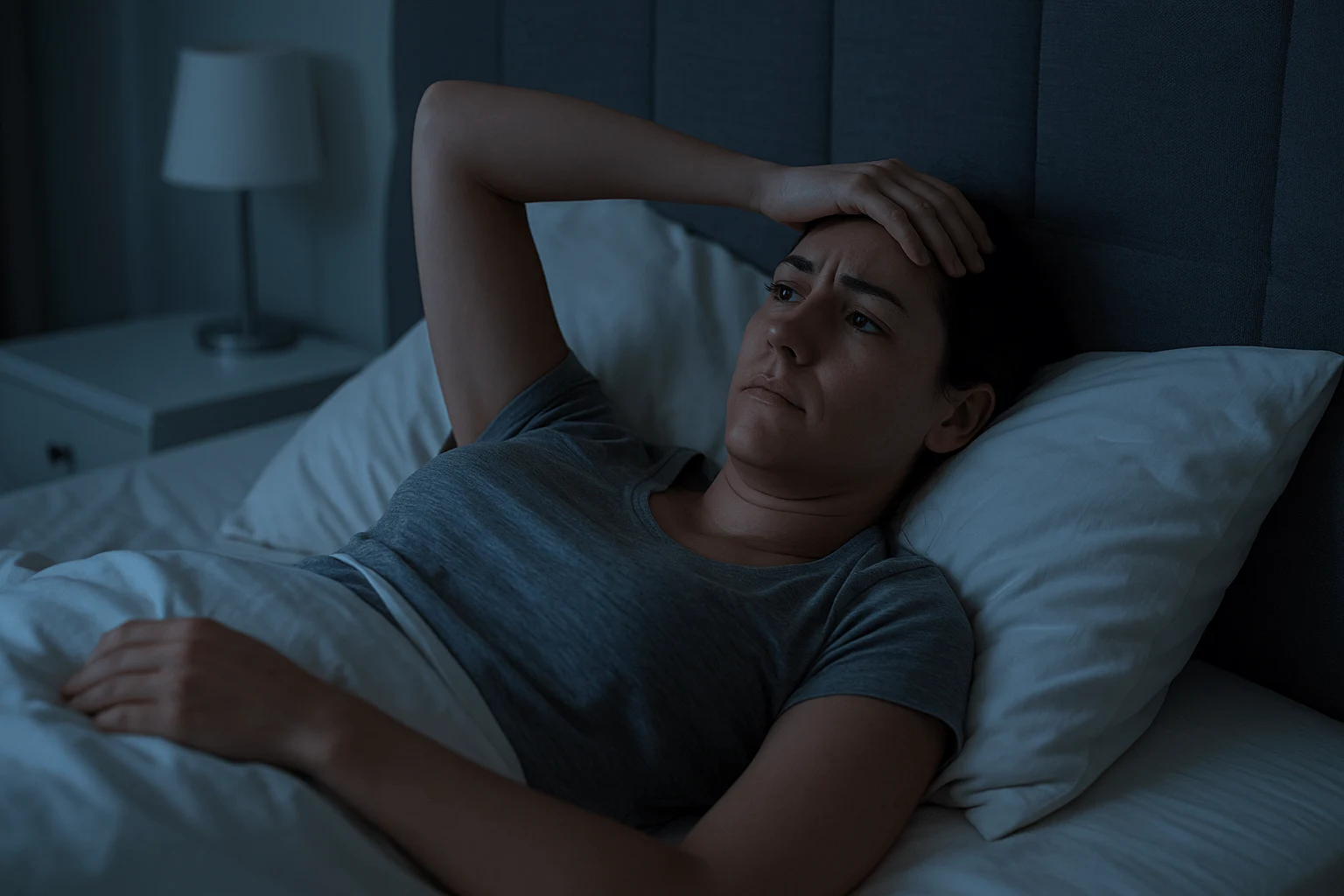
Many people with neuropathy notice a consistent pattern: Symptoms feel more intense at night. This does not automatically mean your neuropathy is worsening. Nighttime changes in brain activity, hormone levels, circulation, and sensory input can all influence how pain signals are processed. Understanding these changes helps you interpret your symptoms more accurately — and prevents…

BLOG
Why People With Diabetes Often Wake Up Between 2–4 a.m. (And What Actually Helps)
Waking up between 2–4 a.m. can feel frustrating and confusing — especially when you’re living with diabetes. You may fall asleep just fine, only to wake suddenly in the early morning hours, alert, restless, or unable to drift back to sleep. These wake-ups are rarely random. Overnight, your body is actively regulating blood sugar, releasing…
Best Bedtime Snacks for Diabetes to Support Stable Blood Sugar
If you have diabetes, what happens overnight matters. Blood sugar doesn’t stop changing when you go to sleep. For some people, going to bed without enough fuel can increase the risk of overnight lows. For others, eating the wrong foods too late can contribute to early-morning spikes or restless sleep. This is where bedtime food…
Healthy Sleep Habits: Simple Daily Changes for Better Sleep
Healthy sleep habits—sometimes called good sleep hygiene—are a powerful foundation for better sleep. They shape how easily you fall asleep, how often you wake during the night, and how rested you feel the next day. While sleep challenges can feel overwhelming, the way you move through your day and evening plays a much bigger role…
Why Anxiety Waits Until Bedtime — And How to Break the Cycle
It’s late.The lights are off, the house is finally quiet, and your body feels heavy in that familiar end-of-day way. You did what you were supposed to do — brushed your teeth, got into bed, closed your eyes. And then… it starts. Not a full-blown panic. Not a specific worry you can point to. Just…
A Gentle Evening Routine for People With Diabetes That Supports Better Sleep
Living with diabetes doesn’t end when the day does. For many people, evenings can quietly carry tension — Will I sleep well tonight? Will my body cooperate? Over time, that uncertainty alone can make bedtime feel stressful instead of restorative. The truth is, better sleep often starts before your head hits the pillow. A gentle,…
Are Naps Good or Bad for People With Diabetes? How to Nap Without Hurting Sleep
Afternoon exhaustion can feel frustrating — especially when you’re doing everything you can to manage your blood sugar. You wake up with good intentions. You monitor. You plan meals. You try to sleep well.And yet by 1 or 2 p.m., your energy crashes. Your eyes feel heavy. Your focus fades. You wonder: “Should I nap?…
Struggling at Night? Here’s How to Sleep Well Despite Chronic Pain
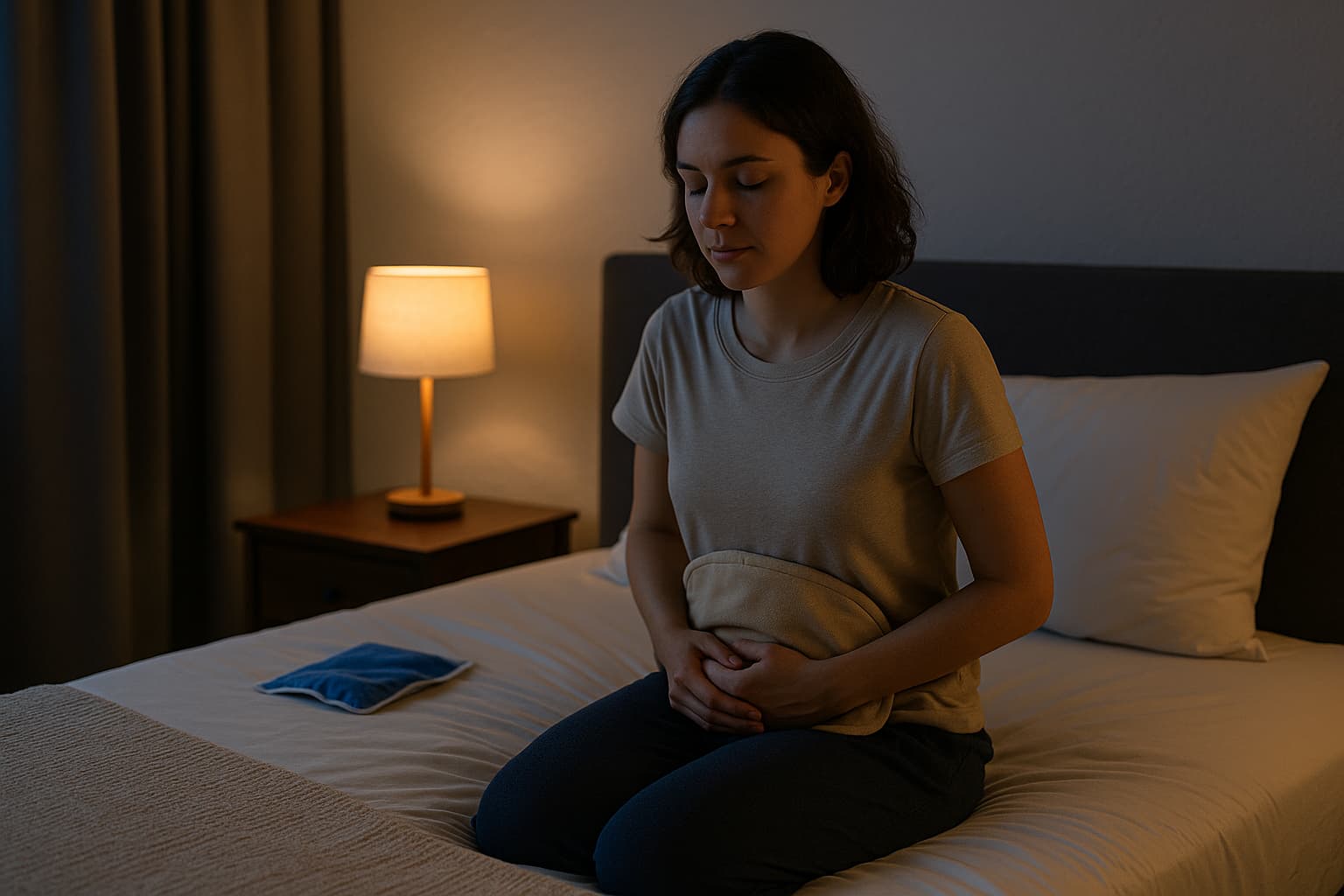
When you live with ongoing pain, getting a good night’s sleep can feel nearly impossible. You may finally lie down to rest, only to find your body tense, your mind alert, and every small ache suddenly much louder. Learning how to sleep well despite chronic pain isn’t easy — but it is possible with the…
Sleep Tips for Pregnant Women: Easy Positions and Comfort Tricks That Actually Help
Sleep can feel surprisingly tricky during pregnancy. One night you’re tossing, the next you’re too warm, and sometimes your mind just won’t settle. If you’ve been struggling, you’re not alone — most women notice their sleep shift as their body changes. The good news? A few simple adjustments can make nights feel more comfortable and…
The Best Bedroom Temperature for Sleep — Backed by Science
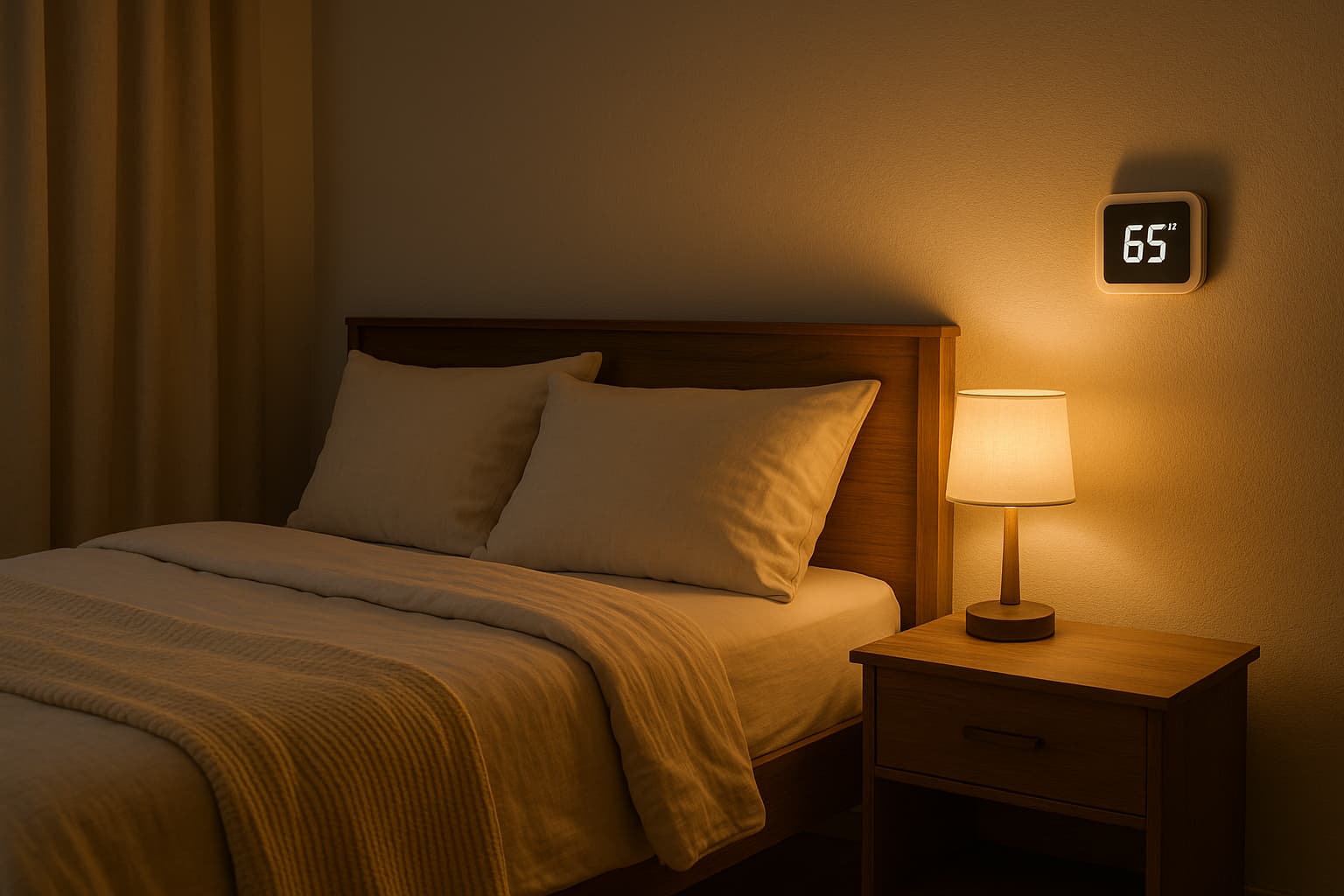
Ever wake up in the middle of the night feeling too hot, too cold, or just oddly restless? You’re not imagining it — your bedroom temperature plays a major role in how deeply you sleep. In fact, researchers have found that temperature may influence sleep quality just as much as noise or light exposure. Finding…