
Why People With Diabetes Often Wake Up Between 2–4 a.m. (And What Actually Helps)


Waking up between 2–4 a.m. can feel frustrating and confusing — especially when you’re living with diabetes. You may fall asleep just fine, only to wake suddenly in the early morning hours, alert, restless, or unable to drift back to sleep.
These wake-ups are rarely random. Overnight, your body is actively regulating blood sugar, releasing hormones, digesting food, and responding to stress — all while you’re supposed to be resting. When something in that balance shifts, sleep is often the first thing to break.
If you’ve noticed this pattern happening repeatedly, it can help to understand how diabetes and sleep are closely connected, and why nighttime blood sugar changes don’t always look or feel the same from one person to the next.
In this article, we’ll look specifically at why people with diabetes often wake between 2–4 a.m., the most common causes behind it, and gentle ways to respond — without panic, overcorrection, or guesswork.
Why People With Diabetes Often Wake Up Between 2–4 a.m.

The early morning hours — especially between 2 and 4 a.m. — are a sensitive time for the body, even when sleep feels solid earlier in the night.
During this window, several behind-the-scenes processes are happening at once. Blood sugar regulation becomes more delicate, stress hormones begin to rise in preparation for morning, and the liver may release glucose to help keep energy levels stable. For people with diabetes, these shifts can feel more noticeable — and sometimes disruptive.
What makes this time period unique is that you’re often no longer in deep sleep, but you’re not ready to wake yet either. That lighter stage of sleep means changes in blood sugar or hormones are more likely to pull you into wakefulness, even if nothing feels “wrong” at first.
Many people assume these wake-ups mean anxiety or poor sleep habits. In reality, they’re often a sign that something overnight — not necessarily before bed — is nudging the body toward alertness.
This is why waking at the same early-morning time again and again can be such a useful clue. It points to patterns worth understanding, rather than a sleep problem you need to fight.
Low Blood Sugar Overnight (Nocturnal Hypoglycemia)
One common reason people with diabetes wake suddenly between 2–4 a.m. is a drop in blood sugar that happens quietly while they’re asleep.
Overnight lows don’t always wake you right away. Blood sugar can dip earlier in the night, then trigger a stress response that pulls you into wakefulness later — sometimes after levels have already started to recover. This is why you may wake feeling alert, unsettled, or “off,” without classic low-blood-sugar symptoms.
Unlike daytime lows, nighttime hypoglycemia can be subtle. The body often responds by releasing adrenaline or cortisol to protect itself, and those hormones are stimulating enough to interrupt sleep — even if you don’t consciously feel shaky or sweaty.
Signs a Nighttime Low May Be Behind Early-Morning Waking
- Waking suddenly or abruptly from sleep
- Restless sleep or vivid dreams before waking
- Feeling wired or wide awake for no clear reason
- Difficulty falling back asleep despite feeling tired
These signs don’t confirm a low on their own, but when they happen consistently in the same early-morning window, they’re worth paying attention to.
This connection matters because nighttime lows are often influenced by what happens hours earlier — not just right before bed.
Rising Blood Sugar in the Early Morning Hours
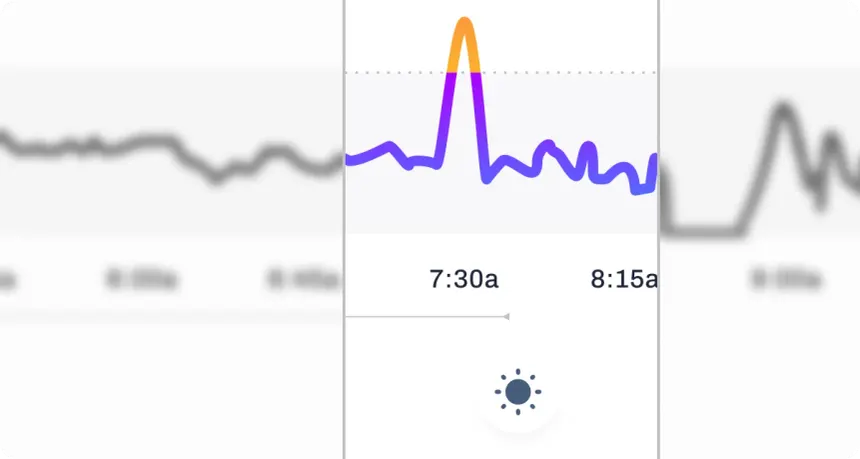
Not all 2–4 a.m. wake-ups are caused by low blood sugar. For some people with diabetes, sleep disruption happens as blood sugar begins to rise, not fall.
In the early morning hours, the body naturally releases hormones that signal the liver to release glucose. This process helps prepare you to wake up and function in the morning — but with diabetes, that rise can be stronger or happen earlier than expected.
As blood sugar climbs, the body can shift into a more alert state. You may wake feeling clear-headed, slightly restless, or unable to fall back asleep, even if you don’t feel anxious or physically uncomfortable.
How Rising Blood Sugar Can Affect Sleep
- Increased alertness without obvious symptoms
- Waking calmly but feeling “done” with sleep
- Light sleep that breaks easily in the early morning hours
Because this rise happens gradually, it’s easy to assume the wake-up is stress-related or random. In reality, it may be your body responding to internal glucose changes rather than something external.
Understanding whether your blood sugar tends to rise, fall, or fluctuate during this window can help clarify what’s actually waking you up — and what kind of support may help most.
Related Post: Why Blood Sugar Swings Disrupt Sleep (And How to Prevent Nighttime Spikes & Lows)
Medication Timing and 2–4 a.m. Wake-Ups
For many people with diabetes, early-morning wake-ups are closely tied to when medication is taken — not just what medication it is.
Some diabetes medications and insulin types are designed to work gradually overnight. Depending on timing, their effects may peak or begin to wear off during the early morning hours. When that happens, blood sugar can shift just enough to pull the body into wakefulness.
What’s important to understand is that these wake-ups don’t mean your medication is “wrong” or failing. More often, they’re a sign that your body’s overnight needs and medication timing aren’t perfectly aligned yet.
- Why Medication Effects Often Show Up Between 2–4 a.m.
- Overnight doses may peak while you’re in lighter sleep
- Long-acting medications may taper off before morning
- Early-morning hormones can amplify subtle glucose changes
Because these shifts happen quietly, sleep disruption is sometimes the first noticeable clue — even before daytime blood sugar patterns change.
Late Eating and Overnight Digestion Effects

What and when you eat in the evening can influence sleep hours later — even if you fall asleep without any trouble.
Digestion doesn’t stop at bedtime. For people with diabetes, blood sugar may continue to rise or fluctuate well into the night as food is processed. By the time the early morning hours arrive, those delayed effects can be enough to pull the body into wakefulness.
This is why some 2–4 a.m. wake-ups feel physical rather than mental. You may not feel hungry or anxious — just awake, uncomfortable, or unable to settle back into sleep.
- Why Timing Often Matters More Than the Food Itself
- Digestion can affect blood sugar long after eating
- Larger or later meals may create delayed glucose shifts
- Even familiar foods can behave differently overnight
You Might Also Like:
Rather than fixing a problem in the moment, the goal is to support steadier overnight blood sugar — so your body doesn’t need to wake you up to get your attention.
Stress Hormones and Early-Morning Alertness

Not every 2–4 a.m. wake-up is caused directly by food, medication, or a clear blood sugar rise or drop. Sometimes, the driver is the body’s stress response quietly activating during the early morning hours.
As morning approaches, hormones like cortisol and adrenaline naturally begin to rise. Their job is to help the body transition toward wakefulness. For people with diabetes, this hormonal shift can feel stronger — especially when blood sugar regulation is already more sensitive overnight.
The result is often a very specific kind of wake-up: calm but alert, tired but unable to sleep, not anxious yet not deeply relaxed either.
Why This Wake-Up Doesn’t Always Feel Like Anxiety:
- No racing thoughts or panic
- A sudden sense of alertness
- Feeling “switched on” without a clear reason
Because this alertness comes from inside the body, it’s easy to mislabel it as stress or insomnia — when it’s really a physiological signal, not a mental one.
What to Do When You Wake Up Between 2–4 a.m.

When you wake during this early-morning window, the most helpful thing you can do is pause before reacting. These wake-ups often feel urgent, but they rarely require an urgent response.
Your body is already alert. Pushing it to “fix” the situation right away can increase stimulation and make it harder to fall back asleep.
Start by Noticing — Not Solving
Before doing anything else, gently notice:
- How awake you feel (slightly alert vs. fully awake)
- Whether your body feels calm, restless, or uncomfortable
- If this wake-up feels familiar or different from usual
This information matters more than immediately trying to change what’s happening.
When Checking Blood Sugar Can Be Helpful
Checking may be useful if:
- This wake-up happens frequently at the same time
- You suspect overnight lows or early rises
- You’re gathering patterns to understand later
Checking isn’t about fixing the moment — it’s about learning what your body tends to do overnight.
What to Avoid in the Moment
- Overcorrecting with food or insulin out of fear
- Turning on bright lights or screens
- Mentally replaying “why this keeps happening”
Early-morning wake-ups are often the body’s way of signaling a pattern — not a problem that needs immediate control.
Sometimes, the most supportive response is simply allowing the body to settle again, knowing that understanding comes from consistency over time, not one disrupted night.
Daytime Patterns That Affect Overnight Sleep
Early-morning wake-ups rarely start at night. They’re often shaped by what happens earlier in the day, when blood sugar, energy, stress, and routines are all interacting.
Large swings in energy, irregular meals, or prolonged stress can make the body more reactive overnight. By the time 2–4 a.m. arrives, the system is already primed to wake more easily.
This doesn’t mean you need perfect days to get better sleep. It means that consistency — even in small ways — helps the body feel safer staying asleep.
When to Get Extra Support for Repeated 2–4 a.m. Wake-Ups
If waking between 2–4 a.m. happens occasionally, it’s usually part of normal variation. But when it becomes frequent, predictable, or exhausting, it’s worth taking a closer look.
Patterns are especially important if:
- Wake-ups happen most nights
- You feel unrefreshed despite enough time in bed
- Sleep disruption is affecting daytime energy or mood
- Bringing patterns rather than single nights to your care team can lead to more helpful conversations and better support.
Bottom Line:
Waking up between 2–4 a.m. doesn’t mean your sleep is broken — it means your body is communicating.
For people with diabetes, these early-morning wake-ups are often shaped by blood sugar regulation, hormones, timing, and stress working together overnight. When you begin to understand the pattern behind them, there’s far less pressure to fix the moment — and more space to support your body over time.
With awareness, patience, and the right kind of support, deeper and more restorative sleep is possible. Even if nights haven’t felt easy lately, small, informed shifts can help your body feel safe enough to stay asleep again.
Waking up between 2–4 a.m. can feel frustrating and confusing — especially when you’re living with diabetes. You may fall asleep just fine, only to wake suddenly in the early morning hours, alert, restless, or unable to drift back to sleep. These wake-ups are rarely random. Overnight, your body is actively regulating blood sugar, releasing…


-
 Why Neuropathy Symptoms Get Worse at Night — What’s Actually Happening
 -
 Why People With Diabetes Often Wake Up Between 2–4 a.m. (And What Actually Helps)
 -
 Best Bedtime Snacks for Diabetes to Support Stable Blood Sugar
 -
 Healthy Sleep Habits: Simple Daily Changes for Better Sleep
 -
 Why Anxiety Waits Until Bedtime — And How to Break the Cycle