
Best Bedtime Snacks for Diabetes to Support Stable Blood Sugar


If you have diabetes, what happens overnight matters.
Blood sugar doesn’t stop changing when you go to sleep. For some people, going to bed without enough fuel can increase the risk of overnight lows. For others, eating the wrong foods too late can contribute to early-morning spikes or restless sleep.
This is where bedtime food choices come in.
A well-chosen evening snack can help support more stable blood sugar through the night by slowing digestion and providing steady energy. The goal isn’t to eat more or follow rigid rules — it’s to understand which foods are more likely to support overnight balance and which ones tend to cause swings.
Do You Actually Need a Bedtime Snack With Diabetes?
Not everyone with diabetes needs to eat before bed.
For some people, skipping a bedtime snack causes no issues at all. Blood sugar stays stable overnight, sleep feels uninterrupted, and morning readings are predictable. In that case, adding food may be unnecessary.
For others, a small bedtime snack can be helpful.
A snack may support overnight blood sugar stability if you:
- Tend to wake up with low blood sugar
- Experience early-morning spikes after going to bed hungry
- Take medications or insulin that increase the risk of nighttime drops
- Notice restless sleep or early waking when you skip food
- The key point is this: bedtime snacks are situational, not mandatory.
Instead of following a rule, it’s more useful to look at patterns. If nights without food lead to dips, swings, or poor sleep, a balanced snack may help. If blood sugar stays steady without eating, forcing a snack can sometimes do more harm than good.
In later sections, we’ll focus on what to eat when a bedtime snack makes sense — and which foods are more likely to cause overnight instability.
The Ideal Bedtime Snack Formula for Stable Blood Sugar
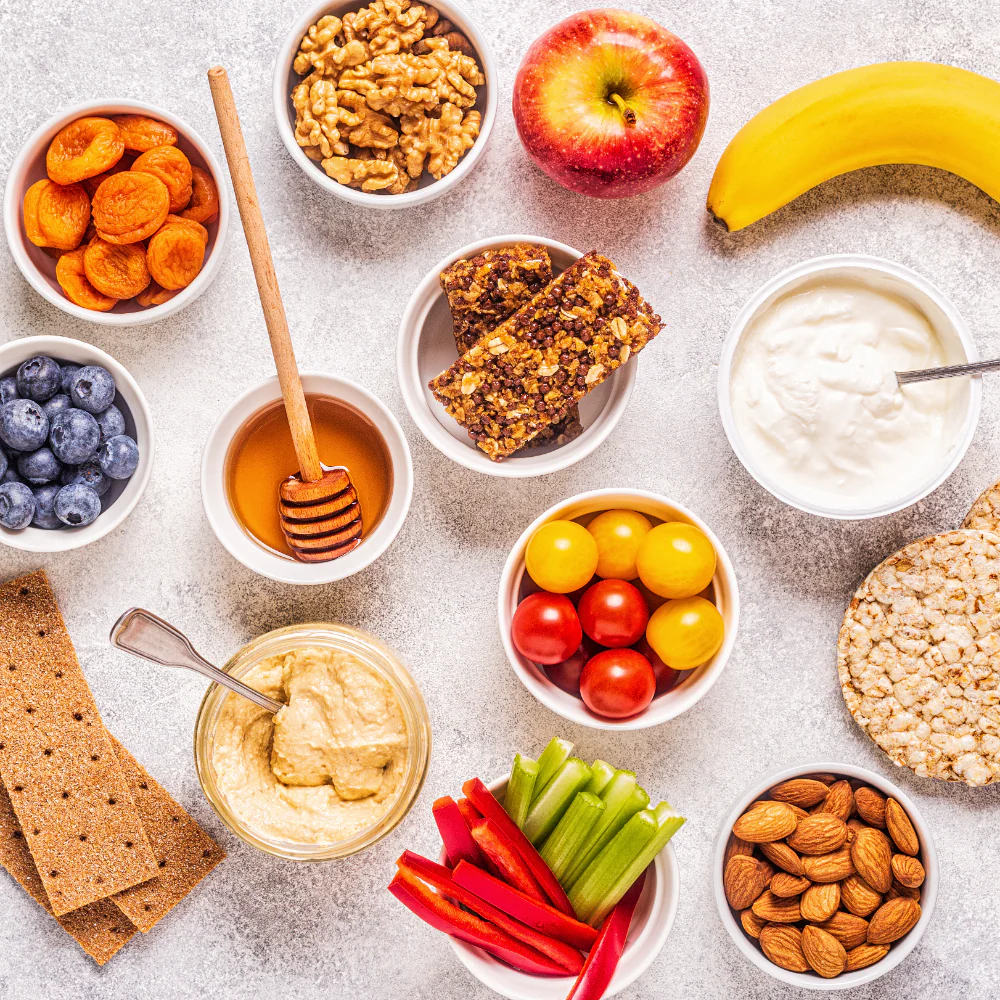
When a bedtime snack does make sense, what you eat matters more than eating itself.
The most reliable option for overnight stability isn’t a single food — it’s a balanced combination that digests slowly and releases energy gradually while you sleep.
The simple formula to aim for:
Protein + fiber or low-GI carbs (with optional healthy fats)
Here’s why this works:
Protein: slows the process
Protein helps slow digestion and reduces the chance of rapid blood sugar changes overnight. On its own, it won’t raise glucose much, but it plays a stabilizing role when paired with carbs.
Common examples:
- Greek yogurt (unsweetened)
- Cottage cheese
- Eggs
- Nut butters (in small portions)
Fiber or low-GI carbs: steady fuel
Carbohydrates aren’t the problem — fast, refined carbs are. Fiber-rich or low-glycemic carbs provide gradual glucose support instead of sharp spikes and drops.
Examples:
- Berries
- Oats (small portions)
- Whole-grain crackers
- Chia seeds
Pairing protein with fiber or slow-digesting carbohydrates helps slow digestion and reduce sharp blood sugar changes, an approach commonly recommended in diabetes nutrition guidance from the American Diabetes Association.
Healthy fats (optional): added stability
Fats aren’t required, but small amounts can further slow digestion and improve satiety, which may help blood sugar stay steadier through the night.
Examples:
- Nuts or seeds
- Nut butter
- Avocado
Why this combination matters
Snacks made of only carbs tend to digest too quickly, increasing the risk of overnight highs followed by drops. Protein-only snacks, on the other hand, may not provide enough glucose support for some people.
This balanced approach helps avoid both extremes.
Next, let’s put this formula into practice with specific bedtime snack ideas that work well for people with diabetes.
Best Bedtime Snacks for People With Diabetes

Using the protein-plus-fiber formula, here are five practical bedtime snacks that tend to support more stable blood sugar overnight. These options are easy to portion and work for different taste preferences.
5 balanced bedtime snack ideas
- Greek yogurt (unsweetened) with a small handful of berries
- Apple slices with peanut butter
- Cottage cheese with cinnamon
- Small bowl of oatmeal topped with nuts or seeds
- Whole-grain crackers with cheese
These combinations are designed to digest slowly and reduce the risk of sharp glucose swings during sleep.
Sweet vs. savory: choose what works for you
Some people sleep better after a lightly sweet snack, while others do better with savory options. Neither is better — balance and portion size matter more than flavor.
If sweet snacks tend to raise your blood sugar overnight, savory options may work better:
- Cheese and crackers
- Eggs
- Nut-based snacks
If savory foods feel too heavy, lighter options like yogurt or berries may be easier before bed.
Portion size matters
Even balanced foods can cause overnight instability if portions are too large. Bedtime snacks should be small and intentional, not full meals.
If you’ve experienced nighttime spikes or drops, the issue may not be just what you ate, but portion size and overnight blood sugar patterns.
5 Foods That Can Disrupt Blood Sugar Overnight

Even foods that seem harmless can affect blood sugar differently at night.
When digestion slows during sleep, certain foods are more likely to cause overnight spikes, drops, or fragmented sleep — especially when eaten close to bedtime or on their own.
Foods to be cautious with before bed
Sugary foods and desserts
Cookies, candy, ice cream, and sweet baked goods digest quickly and can push blood sugar up, followed by a drop later in the night.
Refined carbohydrates eaten alone
White bread, crackers, or cereal without protein or fat tend to raise blood sugar quickly and don’t provide lasting stability.
Sweetened drinks and fruit juice
Liquid sugars are absorbed rapidly and are more likely to cause spikes than solid foods.
Large or heavy meals late at night
Big portions close to bedtime can delay digestion, raise blood sugar overnight, and interfere with sleep quality.
Alcohol near bedtime
Alcohol can increase the risk of delayed nighttime lows, particularly several hours after drinking, and may also disrupt sleep architecture.
Why these foods matter at night
You don’t need to avoid these foods entirely. The issue is timing, portion size, and combination. At night, the body is less able to handle fast-digesting sugars, especially without protein or fiber to slow absorption.
When to Eat Before Bed for Better Overnight Stability
Timing matters just as much as food choice when it comes to overnight blood sugar.
Eating too close to bedtime can leave digestion active during sleep, increasing the chance of nighttime spikes or discomfort. Eating too early, on the other hand, may leave a long gap without fuel, raising the risk of overnight drops for some people.
A practical timing window
For many people with diabetes, a bedtime snack works best when eaten about 1–2 hours before sleep. This allows digestion to begin while still providing steady energy through the night.
This isn’t a strict rule — it’s a starting point.
What happens if timing is off?
Eating too close to bedtime
- Blood sugar may rise shortly after falling asleep
- Active digestion can interfere with sleep quality
Eating too early in the evening
- Blood sugar may drop later during the night
- The body may release stress hormones, leading to higher morning readings
If your morning blood sugar feels unpredictable, timing — not just food choice — may be part of the reason.
How to find what works for you
The most useful approach is simple observation. Pay attention to how your blood sugar responds overnight when you:
- Eat earlier versus later
- Include protein or skip it
- Change portion size
Noticing these overnight patterns can help you understand what your body responds to best.
4 Factors That Can Affect Whether a Bedtime Snack Helps or Hurts
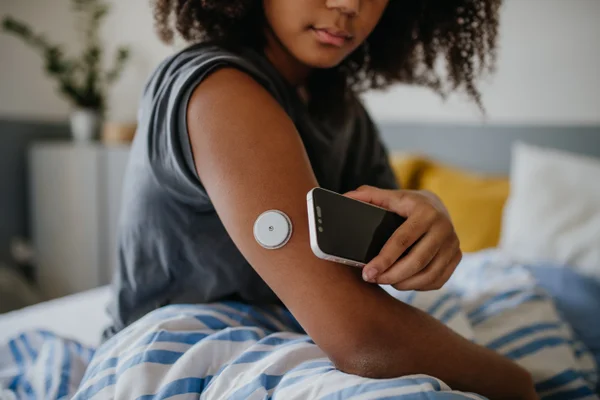
Even when food choices and timing are on point, other factors can influence how your blood sugar behaves overnight.
This is why the same bedtime snack can work well one night and feel off another.
1-Medication or insulin timing
Some diabetes medications and insulin regimens increase the risk of nighttime lows, especially when combined with long gaps between meals. In these cases, a bedtime snack may help provide stability — but the type and portion still matter.
This section is a good place to point readers to more detailed guidance already covered in your diabetes-related posts (internal link opportunity) without repeating medication specifics here.
2-Evening activity levels
Exercise later in the day can lower blood sugar for several hours afterward. While this is often beneficial, it can increase the risk of overnight drops for some people, making a balanced bedtime snack more important.
3-Stress and sleep quality
Stress raises cortisol, which can push blood sugar higher overnight or in the early morning. Poor sleep can have a similar effect. In these situations, a bedtime snack alone may not fully prevent fluctuations — but skipping food can sometimes make patterns worse.
For a deeper explanation of how stress and nighttime blood sugar interact, linking to your earlier post on blood sugar swings and sleep disruption fits naturally here (internal link opportunity).
4-Morning blood sugar patterns
Your morning readings often provide the clearest clues. Consistent lows, highs, or large swings can signal whether a bedtime snack is helping, unnecessary, or needs adjustment, since blood sugar levels can continue to fluctuate overnight.
Something you might like:
Putting It All Together
What you eat before bed can influence how stable your blood sugar stays overnight — but there’s no single snack that works for everyone.
For some people, a small, balanced bedtime snack helps prevent overnight dips or early-morning spikes. For others, skipping food works just fine. The most useful approach is paying attention to patterns: how different foods, portions, and timing affect your sleep and morning blood sugar.
Start simple. If you choose to eat before bed, aim for protein paired with fiber or slow-digesting carbs, keep portions modest, and allow enough time for digestion before sleep. If you notice consistent highs or lows, small adjustments often make a bigger difference than drastic changes.
Over time, these small, intentional choices can help make nights feel more predictable — and mornings easier to manage.
If you’d like a broader view of how sleep and blood sugar interact, our main diabetes and sleep guide brings everything together.
Frequently Asked Questions
1. Is it bad to eat before bed if you have diabetes?
Not necessarily. Eating before bed isn’t automatically harmful for people with diabetes. For some, a small, balanced snack can help prevent overnight lows or early-morning spikes. The key is choosing the right foods and keeping portions modest.
2. What is the best bedtime snack to prevent low blood sugar overnight?
Snacks that combine protein with fiber or slow-digesting carbs tend to work best. Examples include Greek yogurt with berries, apple slices with peanut butter, or whole-grain crackers with cheese. These digest more slowly and help keep blood sugar steadier through the night.
3. Can skipping a bedtime snack cause high blood sugar in the morning?
Yes, for some people. Going to bed too hungry can trigger stress hormones overnight, which may contribute to higher morning blood sugar levels. If you notice this pattern, adjusting evening food timing or adding a small snack may help.
4. How close to bedtime should someone with diabetes eat?
Many people do best eating a bedtime snack about 1–2 hours before sleep. This allows digestion to begin while still providing steady energy overnight. Eating too close to bedtime or too early can affect blood sugar differently, so personal patterns matter.
5. Why does the same bedtime snack work some nights but not others?
Overnight blood sugar is influenced by more than food alone. Stress, sleep quality, evening exercise, medication timing, and portion size can all change how your body responds. This is why consistency and observation are more useful than strict rules.
If you have diabetes, what happens overnight matters. Blood sugar doesn’t stop changing when you go to sleep. For some people, going to bed without enough fuel can increase the risk of overnight lows. For others, eating the wrong foods too late can contribute to early-morning spikes or restless sleep. This is where bedtime food…


-
 Why Neuropathy Symptoms Get Worse at Night — What’s Actually Happening
 -
 Why People With Diabetes Often Wake Up Between 2–4 a.m. (And What Actually Helps)
 -
 Best Bedtime Snacks for Diabetes to Support Stable Blood Sugar
 -
 Healthy Sleep Habits: Simple Daily Changes for Better Sleep
 -
 Why Anxiety Waits Until Bedtime — And How to Break the Cycle